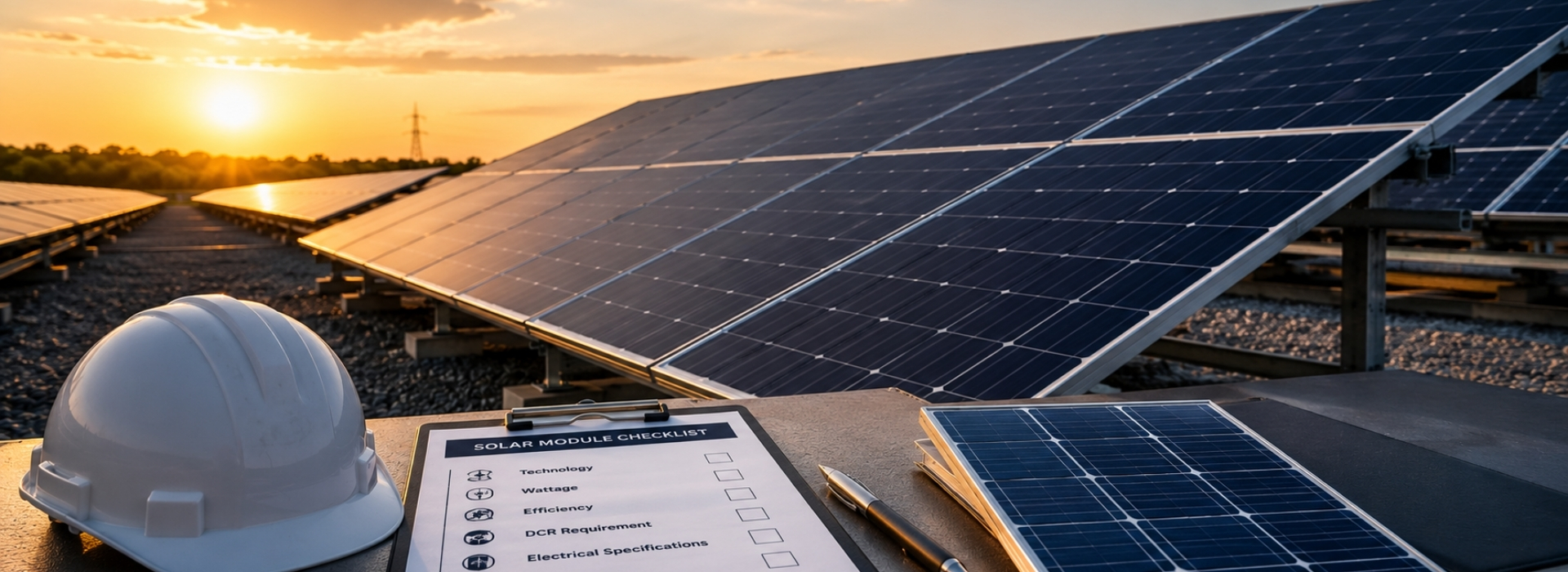
Avaada 720Wp Solar Module: Technology, Features & Applications
As solar projects become larger and more performance-focused, EPC companies, installers, and project developers are increasingly looking for solar modules that combine high power output with advanced cell technology.
The Avaada 720Wp solar module represents this shift toward high-power solar solutions. Built around modern N-Type TOPCon technology, the module is designed for projects where efficient capacity planning, performance, and long-term reliability are important considerations.
For commercial, industrial, and large-scale solar projects, understanding the technology behind a high-wattage module is essential before making a procurement decision.
What Does 720Wp Mean in a Solar Module?
The term 720Wp refers to the module's rated peak power under standard test conditions.
In simple terms, a 720Wp solar module has a rated maximum power of approximately 720 watts peak under specified testing conditions.
Higher wattage means more rated power from each individual module. Depending on the system design, this may help EPCs achieve the required project capacity using fewer modules compared with lower-wattage alternatives.
However, wattage should never be considered alone. Module efficiency, dimensions, electrical specifications, technology, and project compatibility are equally important.
Powered by N-Type TOPCon Technology
One of the key technologies behind modern Avaada high-power modules is N-Type TOPCon.
TOPCon stands for Tunnel Oxide Passivated Contact. The technology uses an advanced passivated contact structure designed to reduce electron recombination and improve the conversion of sunlight into electricity.
N-Type cell technology also offers performance characteristics that make it suitable for modern high-efficiency solar modules.
For EPCs and project developers, this combination can support solar installations where higher module power and efficient use of available space are important.
Bifacial Power Generation
Modern high-power Avaada modules are also available with bifacial technology.
Unlike a conventional monofacial module that primarily generates electricity from its front surface, a bifacial module can also utilize light reaching the rear side.
Reflected sunlight from rooftops, concrete, ground surfaces, or other surroundings can contribute to rear-side generation.
The actual bifacial gain depends on project-specific factors such as:
- Ground reflectivity
- Module mounting height
- Tilt and orientation
- Row spacing
- Shading
- Mounting structure
- Overall system design
Therefore, bifacial performance should always be evaluated according to actual installation conditions.
Dual-Glass Module Construction
Another important feature found in many modern high-power modules is dual-glass construction.
In a dual-glass solar module, the solar cells are protected between front and rear glass layers.
This construction is commonly used in bifacial modules and is designed to provide a durable module structure for long-term outdoor operation.
For commercial, industrial, and ground-mounted solar installations, module construction is an important factor to evaluate alongside wattage and efficiency.
Why Are 720Wp Modules Relevant for Large Solar Projects?
For larger projects, every module contributes to the overall system layout.
Using a higher-wattage module may allow the target project capacity to be achieved with fewer individual modules compared with lower-power options.
Depending on system engineering, this may support:
- Efficient module layout
- Higher installed capacity per module
- Optimized use of available project area
- Fewer module-level connections
- Simplified planning for large-capacity installations
The actual benefits depend on module dimensions, mounting structure, inverter configuration, and site-specific requirements.
Where Can Avaada 720Wp Solar Modules Be Used?
High-power modules such as Avaada 720Wp can be considered for applications including:
- Commercial solar projects
- Industrial solar installations
- Ground-mounted solar plants
- Large rooftop projects
- Utility-scale solar projects
- High-capacity solar installations
Before selecting a module, EPCs should confirm whether its dimensions, weight, electrical characteristics, and mounting requirements are suitable for the proposed project.
720Wp Does Not Automatically Mean the Right Choice
Higher wattage is attractive, but the highest-wattage module is not automatically the best module for every project.
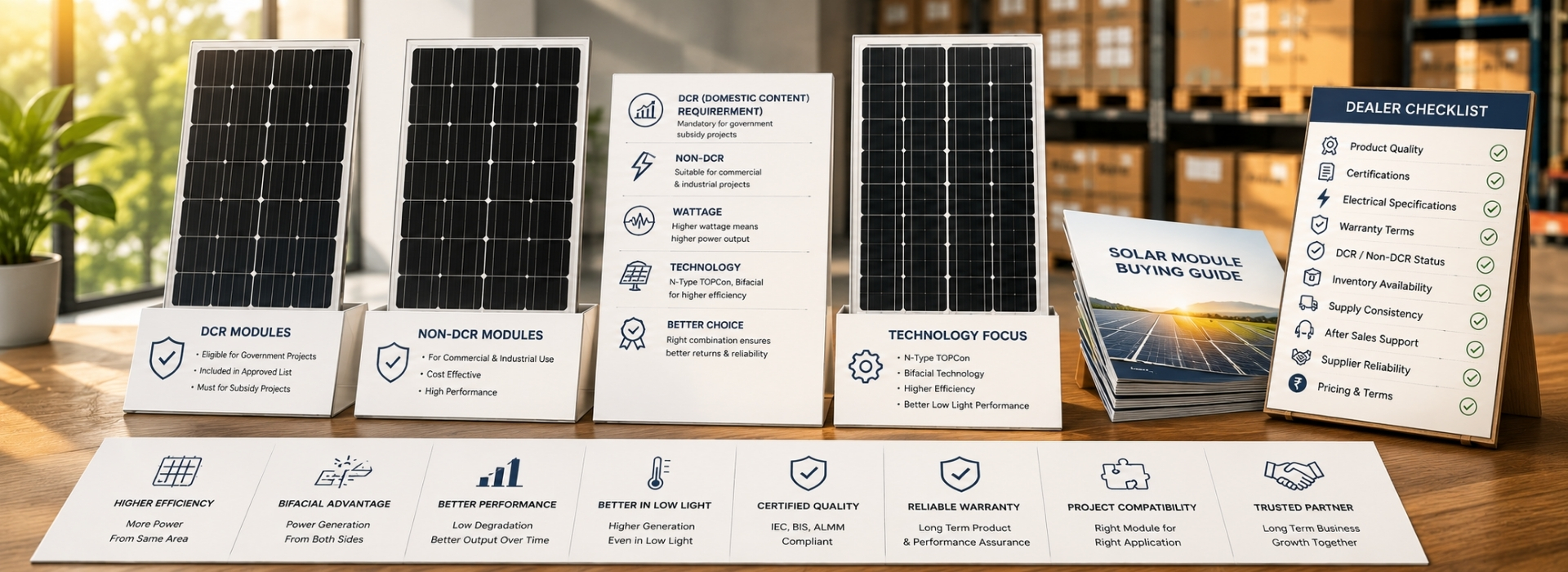
Solar buyers should evaluate the complete module specification.
Important considerations include:
- Module wattage
- Module efficiency
- N-Type TOPCon technology
- Bifacial capability
- Module dimensions and weight
- Voltage and current specifications
- Temperature characteristics
- Inverter compatibility
- Mounting structure compatibility
- DCR or Non-DCR project requirements
- Product and performance warranty
This helps ensure that the selected module fits the complete system rather than simply offering a higher wattage number.
Module and Inverter Compatibility Matters
High-power solar modules can have higher current and different electrical characteristics compared with older module generations.
The selected inverter should therefore be checked carefully for compatibility.
EPC companies should evaluate parameters such as:
- Maximum inverter input current
- MPPT current limits
- DC voltage range
- String configuration
- Maximum number of modules per string
- DC-to-AC ratio
Correct module-inverter matching is essential for a technically sound solar system.
Choosing the Right Avaada Module for Your Project
Different solar projects can have different technical and regulatory requirements.
A commercial rooftop project may prioritize available space and system layout, while a ground-mounted project may focus more heavily on bifacial generation and large-scale installation efficiency.
Similarly, certain projects may require DCR-compliant modules, while others may allow Non-DCR products depending on the applicable scheme and regulations.
EPCs, dealers, and project developers should therefore evaluate the exact product variant and its latest manufacturer specifications before procurement.
Conclusion
The Avaada 720Wp solar module reflects the solar industry's movement toward higher-power and more advanced photovoltaic solutions.
With technologies such as N-Type TOPCon, bifacial power generation, and dual-glass construction, high-power modules can provide an attractive option for commercial, industrial, ground-mounted, and other large solar projects.
However, successful module selection depends on more than wattage.
Efficiency, module dimensions, electrical specifications, inverter compatibility, DCR or Non-DCR requirements, project design, and manufacturer documentation should all be considered before finalizing procurement.
For EPC companies, solar dealers, installers, and project developers, choosing the right module means finding the right balance between power, technology, compatibility, and project requirements.