N-Type TOPCon Solar Technology: What Makes It Different?
Solar technology is continuously evolving as EPC companies, solar installers, businesses, and project developers look for modules that can deliver higher efficiency and reliable long-term performance.
One technology gaining significant attention in modern solar projects is N-Type TOPCon solar technology.
TOPCon stands for Tunnel Oxide Passivated Contact. It is an advanced solar cell technology designed to reduce energy losses within the cell and improve the conversion of sunlight into electricity.
What Is N-Type TOPCon Technology?
N-Type TOPCon solar cells use N-type silicon combined with an advanced passivated contact structure.
The TOPCon structure helps reduce electron recombination inside the solar cell, allowing more generated electrons to contribute to electricity production. This supports the development of high-efficiency and high-power solar modules for modern photovoltaic projects.
Key Benefits of N-Type TOPCon Solar Modules
Higher Conversion Efficiency
One of the major advantages of TOPCon technology is its potential for high solar cell and module efficiency. Higher efficiency can help generate more power from the available installation area.
Strong Performance in Different Conditions
Solar modules operate under changing sunlight and temperature conditions throughout the day. N-Type TOPCon modules are designed to deliver effective performance across different operating conditions.
Lower Degradation Potential
Long-term performance is an important factor in solar module selection. N-type cells are less susceptible to certain degradation mechanisms associated with conventional P-type cells, supporting reliable long-term energy generation.
Suitable for High-Wattage Modules
TOPCon technology is widely used in modern high-power solar modules. This makes it particularly relevant for commercial, industrial and large-scale projects where efficient use of installation space is important.
N-Type TOPCon and Bifacial Technology
Many modern N-Type TOPCon solar modules also feature bifacial technology.
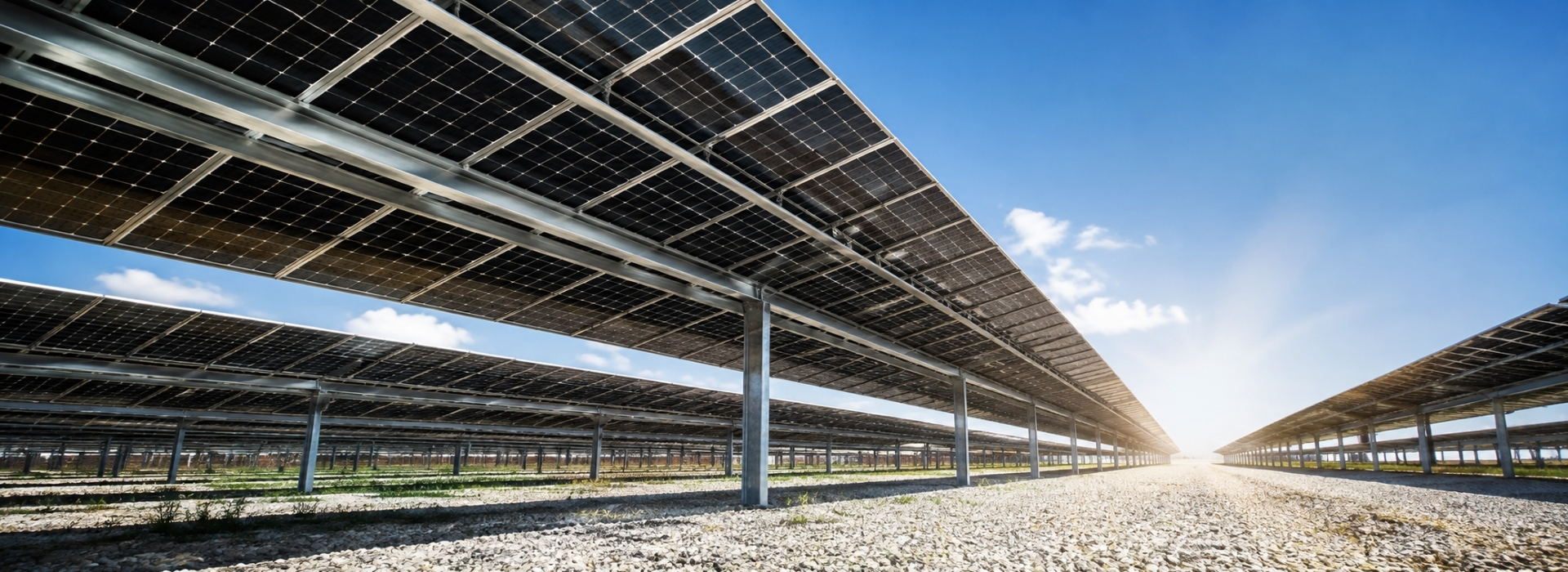
Bifacial modules can utilize direct sunlight from the front and reflected light reaching the rear side. The actual rear-side contribution depends on factors such as ground reflectivity, module height, tilt, mounting structure, shading and overall system design.
When properly designed, the combination of N-Type TOPCon and bifacial technology can improve the energy-generation potential of a solar project.
Where Can N-Type TOPCon Solar Modules Be Used?
N-Type TOPCon modules can be considered for:
- Commercial solar projects
- Industrial solar installations
- Large rooftop solar systems
- Ground-mounted projects
- Utility-scale solar projects
The suitability of a specific solar module should always be evaluated according to the project's technical and commercial requirements.
What Should Buyers Check Before Selecting a TOPCon Module?
Technology should not be the only deciding factor. EPCs, solar dealers, installers and project developers should also evaluate:
- Module wattage and efficiency
- Module dimensions
- Bifacial characteristics
- DCR or Non-DCR requirements
- Electrical specifications
- Project and inverter compatibility
- Product and performance warranty
- Manufacturer specifications and support
The right solar module is not simply the one with the latest technology or highest wattage. It should match the complete requirements of the project.
Conclusion
N-Type TOPCon solar technology represents an important advancement in modern photovoltaic systems.
Its high-efficiency potential, N-type cell characteristics, compatibility with bifacial designs and suitability for high-power modules make it relevant for commercial, industrial, rooftop and large-scale solar projects.
For EPC companies, solar dealers, installers and project developers, understanding TOPCon technology can make it easier to compare solar modules and make informed procurement decisions.